New Brunswick is rewriting its rental law for the first time in decades, and the province started by asking tenants and landlords what isn't working. The survey results — 2,852 responses, reported by CBC this month with high rent as tenants' number-one issue — carried a second finding landlords should read twice: repairs are one of the top concerns in the system.
What the province heard
- Affordability leads, repairs follow. The government's What We Heard report names affordability, repairs, tenancy terminations, dispute-resolution timelines and enforcement as the leading concerns.
- The law is old. The Residential Tenancies Act has been relatively unchanged since 1975; revisions are expected in the legislature's fall sitting.
- Rent increases stay capped at 3% — which means a landlord's return increasingly depends on keeping good tenants and avoiding turnover, not on the annual increase.
The repairs that decide whether a tenant stays
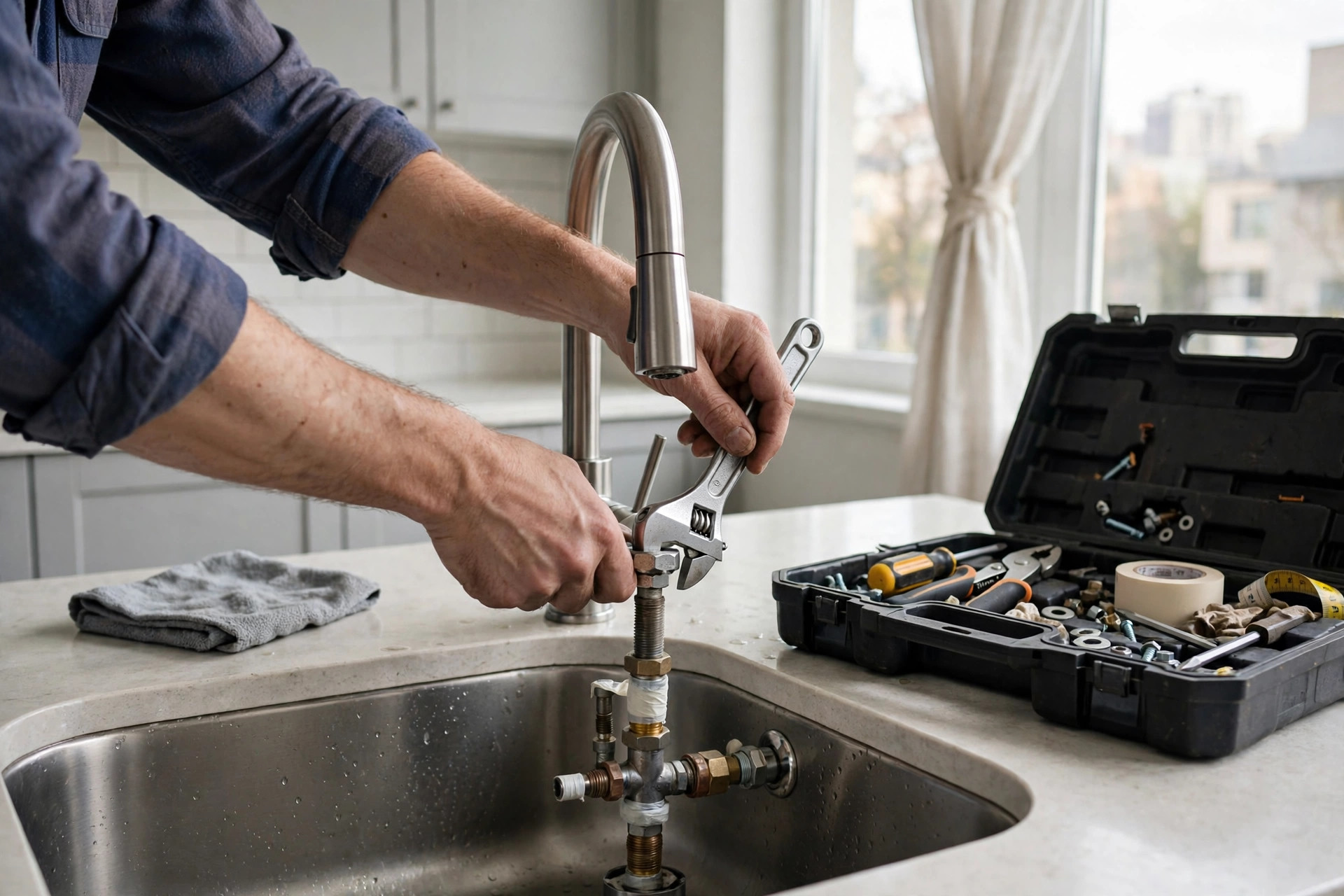
Talk to tenants who leave decent-priced units and the same list comes up: the leak that stained the ceiling and never got fixed, the bathroom fan that died in spring, the door that hasn't latched properly since last winter, the drafty windows that make January miserable. None of these are big jobs. All of them are the kind that quietly turn into a move-out notice — and a turnover in Greater Moncton costs far more than the repair would have: cleaning, listing, screening, vacant weeks.
💡 Documented maintenance is the landlord's shield
With a rewritten Act coming, the landlords who come out fine are the ones who already work like it's in force: requests in writing, repairs scheduled and logged, before-and-after photos in a file. When a dispute lands with the Tenant and Landlord Relations Office, the paper trail is the argument.
The fastest standard to work to is simple: treat every repair request like the tenant is deciding whether to renew. In this market, they are.
What good looks like in practice
- Acknowledge fast. A same-day reply to a repair request — even just "got it, here's when we'll look" — defuses most of the frustration that ends up in surveys.
- Batch the small stuff. The dripping tap, the sticking door and the dead fan in one visit cost a fraction of three separate emergencies later.
- Inspect between tenancies, deeply. The cheapest time to fix a unit is when it's empty — and a fresh, tight unit rents faster at the top of the market.